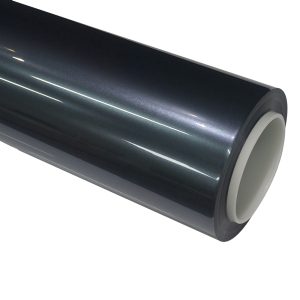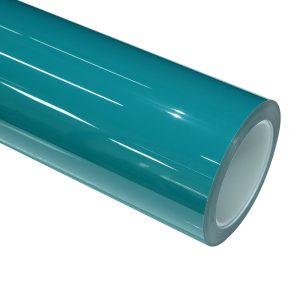
Why Outdoor Vinyl Signs Peel in 12 Months

The short answer. Outdoor vinyl signs peel when the adhesive cannot survive temperature swings, the colour fades, or the film tears around fasteners and corners. Three specs predict signs that last 5 to 7 years, one, permanent solvent acrylic adhesive (not water based), two, outdoor UV rating of 5+ years, three, cast or premium calendered film with at least 100 micron thickness. Our Cutting Vinyl range covers 8 finishes from glossy to brushed to holographic, all in 0.61m and 1.22m by 50m rolls, 32+ colours per type.

Why Outdoor Vinyl Signs Peel in 12 Months hero image

Your sign shop made a vinyl sign for a customer’s storefront 14 months ago. The customer is back. The letters are curling at the edges. The “OPEN” sign that hung in the window looks faded and the corners have lifted. They want to know if you will redo it free. You know the answer. You also know exactly why it failed, but the customer does not care about the chemistry. They care that they paid $400 and it lasted less than 18 months.

Sign vinyl is a different product from car wrap vinyl, even though both are made from PVC. Sign vinyl prioritises adhesive grade and outdoor weatherability over stretch. Car wrap vinyl prioritises stretch and conformability over years of outdoor sun. Using the wrong one for the job is the most common cause of sign failure.

Three specs separate sign vinyl that lasts 12 months from sign vinyl that lasts 7 years. The rest of this article walks through them, and points to the right products in our Cutting Vinyl range.

Why Outdoor Vinyl Signs Fail

Three failure modes. Each has a different chemistry root cause.

Edge curl and peel. Adhesive fails, usually within 12 to 24 months on cheap vinyl. The film lifts at the edges first because that is where the adhesive sees the most temperature shock. Sun heats the edge fastest in the morning, cold nights pull it down fastest in winter.

Colour fade. Pigment in the vinyl degrades under UV. Visible within 6 to 18 months on cheap dyed films, especially on red, yellow, and orange (which use the most UV sensitive pigments).

Cracking at fasteners and corners. Vinyl that is too thin or too brittle cracks where it bends around a sign edge or wraps around a screw. Premium sign vinyl has enough thickness and flexibility to survive this. Cheap vinyl does not.

The fix is not “stronger adhesive” alone. The right sign vinyl combines a permanent solvent acrylic adhesive, a UV stable colour layer, and the right film body thickness for the application.

Why Outdoor Vinyl Signs Peel in 12 Months chemistry graphic

The 3 Specs That Make a Sign Last 5 to 7 Years

Spec 1, Adhesive Type (Permanent Solvent Acrylic vs Water Based)

Sign vinyl adhesive falls into two main categories.

  • Water based adhesive. Cheapest, used in indoor decals and short term signs. Survives 6 to 18 months outdoor before edge lift starts. Fails fastest in humid climates.
  • Permanent solvent acrylic adhesive. Premium, used in outdoor signs and long term applications. Survives 5 to 7 years outdoor. Stronger initial tack and far better temperature stability.

The other variable, removable vs permanent acrylic. Removable acrylic is engineered to come off cleanly after 1 to 3 years for short term campaigns. Permanent acrylic is engineered to stay put for 5+ years and is significantly harder to remove.

For outdoor business signs, demand permanent solvent acrylic. For window decals that change monthly, removable is the right pick.

Spec 2, Outdoor UV Rating (5+ Year Minimum)

Premium sign vinyl publishes an outdoor lifespan rating expressed in years. The rating is a manufacturer’s claim of how long the colour and adhesive survive normal outdoor exposure before noticeable degradation.

  • 1 to 3 year rated film. Indoor or short outdoor use only. Banner stand wraps, retail window decals, event signs.
  • 5 to 7 year rated film. Standard outdoor sign vinyl. Storefront letters, vehicle door magnets, real estate signs.
  • 7 to 10 year rated film. Premium architectural and large format outdoor. Building signage, fleet vehicle long term branding.

The rating assumes vertical orientation. Horizontal sign panels (sun facing up) age faster and should be downgraded by 1 to 2 years from the rated number.

Spec 3, Cast vs Calendered Film (For Compound Curves)

Most outdoor signs are installed on flat substrates (aluminium composite, plywood, glass) where calendered film is fine. Compound curves are where the choice matters.

  • Calendered film. Cheaper, fine for flat sign panels. Internal stress means it can lift if installed over a curve or compound shape.
  • Cast film. Required for vehicle door magnets that wrap around handles, sign letters that wrap around 3D shapes, or any application with stretch beyond 10%.

For a flat storefront sign, calendered is fine. For a fleet vehicle decal that wraps a door handle, only cast film survives the install.

Which Cutting Vinyl In Our Range For Which Sign Job

Our Cutting Vinyl category carries 8 finish families. All available in 0.61m and 1.22m widths by 50m length. 32+ colours per type. All use permanent solvent acrylic adhesive for outdoor durability.

Finish family Best for
Glossy Sign Vinyl Standard storefront letters, retail signage, vehicle door decals. The volume default.
Matte Vinyl Sheets For Crafts Modern aesthetic signage, designer storefronts, low glare windows.
Fluorescent Glossy Printable Vinyl High visibility safety signage, construction zone signs, attention grabbers.
Mirror Chrome Craft Vinyl Premium accent lettering on luxury storefronts, automotive emblems.
Brushed Craft and Vinyl Architectural metal look signage without the metal cost.
Rainbow Cutting Vinyl Pride flags, party signage, statement decorative applications.
Holographic Craftable Vinyl Sticker manufacturing, sparkle signs, kids and entertainment applications.
Diamond Color Craft Vinyl Diamond textured signage, premium decorative use.

Application match up

  • Storefront letters and logos. Glossy Sign Vinyl in your brand colours.
  • Vehicle fleet decals. Glossy Sign Vinyl for flat panels, ask for cast variant for door handle wraps.
  • Window graphics (rotating). Removable acrylic adhesive variant (request specifically).
  • Real estate yard signs. Glossy Sign Vinyl with 5 to 7 year rating.
  • Race team livery and short term events. Standard calendered vinyl, removable if needed for fast removal.
  • Sticker manufacturing. Holographic, rainbow, or fluorescent variants depending on aesthetic.

What to Tell Your Sign Customer About Lifespan

Sign customers ask one of two questions, and the answer drives which product you sell them.

“How long will this last?”

  • 1 to 2 years, you can use the cheapest grade and it will hold.
  • 5 to 7 years, only permanent solvent acrylic adhesive with 5+ year UV rated film qualifies.
  • Beyond 7 years, premium long term outdoor vinyl, or repaint the sign instead.

“How much will it cost?”

  • $30 to $80 per 50m roll for cheap calendered indoor / short term film.
  • $80 to $200 per 50m roll for permanent outdoor cast or premium calendered film.

The labour to install is the same either way, so the cost difference per sign is modest. The lifespan difference is dramatic. Sell the right grade for the customer’s actual time horizon, not the cheapest option.

How Each Customer Pain Maps to a Specific Product

Sign shop with peel callbacks. Switch to permanent solvent acrylic adhesive across outdoor jobs. → Cutting Vinyl range, Glossy Sign Vinyl in the customer’s brand colour.

Decal shop making sticker sheets. Holographic, rainbow, diamond textures. → Holographic Craftable Vinyl, Rainbow Cutting Vinyl, Diamond Color Craft Vinyl.

Vehicle fleet branding (rotating). Removable acrylic adhesive in the brand colours. → Glossy Sign Vinyl, removable variant.

Architect specifying signage for a building. Premium long term outdoor vinyl with 7+ year UV rating. → Custom quote, brushed or matte finish typical for architectural use.

Race team or event company. Short term high impact vinyl. → Fluorescent or chrome variants, calendered cheap, removed and replaced per season.

Frequently Asked Questions

How long should outdoor vinyl signage last?

Properly specified outdoor sign vinyl with permanent solvent acrylic adhesive and a 5+ year UV rating lasts 5 to 7 years in vertical orientation. Horizontal panels (facing up) typically last 3 to 5 years.

What is the difference between sign vinyl and car wrap vinyl?

Sign vinyl prioritises adhesive grade and UV stability for years of static outdoor exposure. Car wrap vinyl prioritises stretch and conformability to wrap compound curves. They are different products with different chemistry.

Can I use sign vinyl to wrap a vehicle door magnet?

For flat magnetic sheets, yes. For door handles or compound curves, you need cast vinyl. Standard calendered sign vinyl can lift at the curves.

Why do red and yellow signs fade faster than other colours?

Red and yellow pigments contain UV sensitive molecules that degrade faster under sun. Premium sign vinyl uses UV stabilised pigments that resist fade, but red and yellow still fade fastest. Specify a 7+ year UV rated film for any sign that needs to stay sharp in these colours.

What sizes does WRAPMASTER cutting vinyl come in?

Standard rolls are 0.61m and 1.22m wide by 50m long. Custom widths and lengths available for bulk orders. 32+ colours per finish family.

Is removable vinyl actually removable after 5 years?

Removable acrylic adhesive is engineered for clean removal within 1 to 3 years. After 5 years even removable adhesive can leave residue. For signs intended to come off cleanly long term, replace before year 3.

Ready to Stop the Sign Peel Callbacks?

Browse the full Cutting Vinyl range, 8 finish families, 32+ colours per type, 0.61m and 1.22m widths.

Free swatch samples in your brand colours. WhatsApp +86-13626505244 or email dasonchan@tsautop.com. Spec sheet with adhesive type, UV rating, and recommended use case on request.

Why Outdoor Vinyl Signs Peel in 12 Months workflow graphic
hero image
Save-worthy checklist for why-outdoor-vinyl-signs-peel

Why $40 Vinyl Rolls Cost $400 in Callbacks

The short answer. Cheap vinyl wraps fail in three predictable ways, edge lift in the first 6 months, colour fade in 12 months, full film failure by month 18. Three specs separate budget rolls from premium rolls, one, PVC vs PET base construction, two, calendered vs cast manufacturing, three, adhesive grade. The honest answer about cheap film is, it fits some jobs and ruins others. The WRAPMASTER WM23 budget series covers the jobs cheap film handles well. The WM25 premium series covers the rest. This article tells you which to buy when.

Why $40 Vinyl Rolls Cost $400 in Callbacks hero image

The wrap shop next door ordered $40 rolls. They wrapped 4 cars in a weekend. At week 8, two of those customers came back with edge lift at the wheel arch. By month 6, all 4 had visible fade. The shop ate the labour cost of every redo, lost two customers permanently, and ended up replacing the cheap rolls with premium film at twice the price.

That story plays out thousands of times every year. The wrap industry has a pricing problem. Distributors compare per roll price and forget about the callback math. A $40 roll that needs to be redone costs the same as a $120 roll once you add 4 hours of installer labour and the customer goodwill hit.

But here is the part most articles miss. Cheap vinyl is not always wrong. There are jobs where a $40 roll is the honest answer, and jobs where it is a disaster. WRAPMASTER sells both because both have a place. The rest of this article walks through the three specs that separate them, and points to the right product in our WM23 budget series and WM25 premium series for each job.

Why Cheap Vinyl Fails (And When It Does Not)

Three mechanisms cause cheap vinyl to fail.

Edge lift. The film starts peeling at panel edges within 3 to 6 months. Caused by weak adhesive or by film that has too much memory (wants to retract to original shape).

Colour fade. The pigment layer degrades under UV faster than premium films. Visible within 12 to 18 months on most cheap rolls.

Outright film failure. Cracking, ripping, or wholesale lifting. Usually happens by month 18 to 24 on the worst rolls.

For a daily driver kept 5+ years, cheap vinyl is a problem. For a lease return scheduled at 24 months, cheap vinyl is fine. For a wedding car wrapped for one weekend, cheap vinyl is more than fine, it is the rational choice.

The question is not “is cheap film bad,” it is “does the job demand the lifespan and chemistry that premium film delivers.”

Why $40 Vinyl Rolls Cost $400 in Callbacks chemistry graphic

The 3 Specs That Actually Separate Budget From Premium

Spec 1, PVC vs PET Base Construction

This is the single biggest spec difference between WM23 (budget) and WM25 (premium).

  • PVC single layer base. Cheaper to produce, slight orange peel texture under sun, 3 to 4 year lifespan typical. Standard for WM23 budget tier.
  • PET double layer base (PET top film laminated onto PVC). Zero orange peel, microscopically smooth surface, 5 to 7 year lifespan typical. Standard for WM25 premium tier.

The orange peel difference is visible from 2 metres away in direct sunlight. On a daily driver kept for 5+ years, the PET base looks visibly better. On a 12 month fleet wrap or a temporary lease wrap, the orange peel never becomes a complaint.

Spec 2, Calendered vs Cast Manufacturing

  • Calendered film. Squeezed between heated rollers. Faster production, lower cost, internal stress baked into the film. Memory tries to retract the film to its original shape after install, which causes edge lift over time.
  • Cast film. Poured wet onto a casting sheet and dried slowly. Zero internal stress, no memory, no edge lift. More expensive to produce, slower throughput.

Calendered film at $40 per roll works on flat panels and short term applications. Cast film at $120+ per roll is the only honest answer for compound curves and 5+ year applications.

Spec 3, Adhesive Grade

  • Standard solvent adhesive. Bonds adequately but tack drops over time. Common in budget rolls.
  • Premium Henkel solvent adhesive with air channels. Industry standard for repositionable install and long term hold. Standard in WRAPMASTER premium tiers.
  • Diamond air channel design. Microscopic channels in the adhesive that release trapped air during install. Makes bubble free installs possible for less experienced installers.

The adhesive is also what determines removal behaviour. Premium adhesive removes residue free in 5+ years. Budget adhesive can leave residue or in worst cases pull paint after 24 months in heat.

When To Buy Budget (Our WM23 Series)

Our WM23 series budget range is engineered for jobs where the customer does not need 5+ year lifespan and accepts the trade off of slight orange peel or shorter colour life. Use cases where WM23 is the honest answer.

Lease return wraps (12 to 36 months). Customer returns the car within the lifespan of the budget film. No reason to pay premium.

Fleet vehicles cycled every 2 to 3 years. Delivery vans, courier trucks, taxi fleets. The vehicle is replaced before the film would have failed anyway.

Short term marketing campaigns. Race team livery, event vehicle wraps, product launches. Often installed for 6 to 24 months max.

Beginner installer training panels. Wraps used to teach install technique. Cheap film is fine for practice.

Internal trim panels and accent strips. Small panels with minimal stretch. Even budget film holds up here.

Specific WM23 products to consider.

When To Pay Up (Our WM25 Premium Series)

Use cases where the WM25 premium range earns the price difference back many times over.

Daily driver kept 5+ years. PET base, no orange peel, 5 to 7 year colour life. The customer keeps the car long enough to see the difference.

Premium showroom builds. Boutique tuner shops, supercar installs, Tesla Cybertruck style premium builds. The customer is paying for the look and expects it to last.

Compound curve heavy applications. Sports cars, exotic body shapes, full body wraps with deep curves. Cast film is required to survive the stretch without edge lift.

OEM colour replication. Audi Nardo Grey, Porsche Crayon, Tesla Stealth Grey. Premium colour accuracy demands premium film.

Long term commercial fleets. Premium taxi fleets, luxury car rental fleets where vehicles serve 5 to 7 years.

Specific WM25 products to consider.

The Callback Math (Numbers That Settle the Debate)

Quick worked example. Wrap shop in Texas, 30 wraps per month.

Scenario A, all WM23 budget at $40 per roll.

  • Material cost, 30 x $40 = $1,200/month
  • Callback rate (industry typical for budget on full car wraps), 15%
  • Callbacks per month, 4 to 5
  • Labour cost per callback (3 to 4 hours installer time at $50/hr), $150 to $200
  • Monthly callback cost, $600 to $1,000
  • Customer churn from callback complaints, untracked but real
  • Total monthly cost, $1,800 to $2,200

Scenario B, all WM25 premium at $120 per roll.

  • Material cost, 30 x $120 = $3,600/month
  • Callback rate on premium PET cast film, 2 to 3%
  • Callbacks per month, 0 to 1
  • Monthly callback cost, $0 to $200
  • Total monthly cost, $3,600 to $3,800

The math looks bad for premium on paper. But scenario A loses customers. Scenario B builds repeat business. Over 24 months, scenario B wins.

Scenario C (the realistic mix), WM23 for short term jobs, WM25 for daily drivers.

  • Mix, 40% WM23 (lease returns, fleet, short term), 60% WM25 (daily drivers, premium)
  • Material cost, 12 x $40 + 18 x $120 = $480 + $2,160 = $2,640
  • Callback rate (blended), 6 to 8%
  • Callbacks per month, 2
  • Monthly callback cost, $300 to $400
  • Total monthly cost, $2,940 to $3,040, with zero permanent customer churn

The right answer is the right film for the right job. Mix the tiers.

How Each Customer Pain Maps to a Tier

Installer Ivan, full wrap on a daily driver. WM25 premium. → PET Liner Ultra Matte, PET Forged Carbon Fiber, or Color Shift depending on customer choice.

Installer Ivan, lease return at 24 months. WM23 budget. → Matte Car Wrap or High Gloss Car Wrap.

Distributor David, stocking a value tier. WM23 across the 12 product types. → Full WM23 budget range. Position as the entry tier in your line up.

Distributor David, stocking a premium tier. WM25 selective. → Lead with the 4 highest demand WM25 categories (Ultra Matte, Forged Carbon, Color Shift, Liquid Metallic).

Fleet Frank, commercial fleet 3 year cycle. WM23. → Matte Car Wrap for stealth fleet, High Gloss for branded.

Frequently Asked Questions

Is WRAPMASTER WM23 budget vinyl really lower quality than the WM25 premium?

Different, not just lower. WM23 uses PVC single layer base with calendered manufacturing, suitable for 2 to 3 year applications. WM25 uses PET double layer with cast manufacturing, suitable for 5 to 7 year applications. Each tier is matched to its use case.

Can I install WM23 budget vinyl with the same technique as premium?

Similar, but a few differences. WM23 has slightly less stretch (PVC vs PET), so it does not handle compound curves as well. Cast film techniques (heavy stretch, deep recess wrapping) are reserved for WM25 cast. Otherwise the install fundamentals are the same.

Will customers notice the difference between WM23 and WM25?

At 30 days, no. At 12 months, yes if they look closely (orange peel under direct sun on WM23, no orange peel on WM25). At 36 months, very visibly (WM23 starting to fade and lift, WM25 still looking fresh).

What is the cost difference per roll?

WM23 budget typically $30 to $80 per roll depending on finish. WM25 premium typically $80 to $200+ per roll. For a full car wrap (4 to 6 rolls), the material cost difference is $200 to $700.

Should distributors stock both tiers or pick one?

Most successful distributors stock both. WM25 serves the premium retail customer. WM23 serves fleet, dealer prep, and lease return work. The tier mix protects margin from both markets.

What is the MOQ for both tiers?

Standard SKUs, 1 roll across both tiers. Custom colours, 5 rolls per colour for regular custom, 20 rolls for special custom. Same MOQ structure on WM23 and WM25.

Ready to Match the Tier to the Job?

Browse the WM23 budget series for short term and fleet jobs, or the WM25 premium series for daily driver and premium builds.

Free swatch sample from either tier. WhatsApp +86-13626505244 or email dasonchan@tsautop.com. We will help you pick the right tier per job, not just sell you the most expensive option.

Why $40 Vinyl Rolls Cost $400 in Callbacks workflow graphic
chemistry image for cheap-vs-premium-vinyl-wrap-tier-guide
Save-worthy checklist for cheap-vs-premium-vinyl-wrap-tier-guide

Why Office Windows Bubble in Summer

The short answer. Office windows bubble after the first summer when solar heat builds up between the glass and the film faster than the adhesive can equalise. Three specs predict commercial film that survives, one, solar reflection over absorption ratio (reflect heat away, do not absorb it), two, construction grade pressure sensitive adhesive (not water activated), three, edge gap engineering of 1.5 to 3 mm to allow thermal expansion. Our Architectural Window Film range is built for commercial installs with a 50 year lifespan and 99% UV block.

Why Office Windows Bubble in Summer hero image

The building owner called your shop on the first 35°C day of summer. The south facing windows of the office block have bubbles the size of golf balls across every panel. The receptionist is sending photos. The lawyer wants a quote for removal plus repaint of the window frames where the heat lifted the film off. The bill for the commercial install was $40,000. The bill to redo it is going to be more.

Commercial window film failure is different from automotive. The film panels are larger (often 1.5 metres or wider). The glass surface absorbs heat differently because it is much thicker. And the adhesive has to survive temperature differentials of 60°C+ between morning and afternoon glass surface temperature.

Three specs that almost no installer checks predict whether a commercial film will survive its first summer. The rest of this article walks through them, and points to the products in our Architectural Window Film range that pass each one.

Why Commercial Window Film Fails (Heat, Not UV)

Automotive tint failure is usually a UV problem (dye degrades, adhesive turns purple). Commercial film failure is usually a heat problem.

Office windows absorb significantly more heat than car windows for three reasons. The glass area is larger (one office window can be 4+ square metres versus a car windshield at 1.5 square metres). The glass is usually thicker (10 to 12 mm laminated commercial glass versus 4 to 5 mm car glass). And commercial windows sit still for 10+ hours of full sun exposure where a car is usually moving and parking in shade.

When a film absorbs solar energy and converts it to heat, that heat builds up between the film and the glass. If the adhesive cannot survive the temperature, it softens and lets air pockets form. Those air pockets show up as bubbles.

The fix is not “better adhesive” alone. It is choosing a film that reflects solar energy away in the first place, so the adhesive never sees the worst temperature.

Why Office Windows Bubble in Summer chemistry graphic

The 3 Specs That Predict Commercial Film That Lasts

Spec 1, Solar Reflection vs Solar Absorption Ratio

This is the single most important spec for large commercial windows and the one most installers skip.

Total Solar Energy Rejection (TSER) measures how much solar energy the film blocks. But it does not tell you how the film blocks it.

  • Absorption. Film absorbs solar energy and re emits it as heat. High absorption films get hot, transfer heat to the glass and adhesive.
  • Reflection. Film bounces solar energy back outward. The film itself stays cool. The adhesive sees normal glass temperature.

For commercial installs on large windows, demand a film with high reflection and low absorption. Reflective ratio over 50% of the TSER value is the threshold.

Reflective architectural films (silver, gold, dual silver) hit this ratio. Dyed and many ceramic films do not.

Spec 2, Construction Grade Pressure Sensitive Adhesive

The adhesive types in commercial window film, ranked by survival temperature.

  • Water activated adhesive. Cheapest, used in retail tint. Softens above 50°C. Fails on south facing offices within one summer.
  • Standard PSA (pressure sensitive adhesive). Survives to 70°C. Acceptable for north facing or shaded commercial.
  • Construction grade PSA. Survives 90°C+. Required for south and west facing commercial installs in hot climates.

Construction grade PSA also has stronger initial tack, which matters because commercial film panels are large and need to grip the glass instantly during install to prevent slippage.

Spec 3, Edge Gap Engineering

Commercial film panels are large and thermally expand and contract with temperature swings. An office window film at 7am (10°C glass surface) and at 4pm (55°C glass surface) experiences a 1 to 3 mm size change across the panel.

If the film is cut flush to the glass edge with zero gap, that thermal expansion has nowhere to go. The film buckles inward and pushes against the glass, creating bubbles and lift at the edges.

Industry standard for commercial installs, 1.5 to 3 mm edge gap on all four sides. This is invisible to the eye but accommodates the thermal expansion without buckling.

Cheap commercial installs trim flush. Premium installs maintain the gap. The gap is the install detail that separates a 12 month commercial install from a 50 year one.

Which Architectural Window Film In Our Range For Which Application

Our Architectural Window Film category carries 12 films across reflective, frosted, and blackout types. All carry the 50 year lifespan rating and 99% UV block. All use construction grade PSA.

Product SKU Type Best for
Dark Blue Silver Mirror Tint BDBS Reflective Premium office buildings, modern aesthetic
Black Silver Privacy Window Film BBKS Reflective High privacy applications, executive offices
Gold Silver One Way Mirror Film BGOS01 Reflective Warm tone reflective, classic commercial
Light Blue Silver One Way Window Film BLBS / BLBS02 Reflective Cooler tone for retail and showroom
Dual Silver One Way Glass Film BDS01 Reflective Highest reflection ratio for hottest exposures
Green Silver Sun Control Film BGRS Reflective Solar heat control, green tinted aesthetic
Coffee Silver One Way Mirror n/a Reflective Warm brown tone, premium look
White Frosted Window Film BWF01 Frosted Conference rooms, bathroom partitions, decorative
Blackout Window Film n/a Decorative Storage rooms, projector rooms, light blocking

Application matchup

  • South or west facing office (worst heat exposure). Dual Silver One Way Glass Film BDS01 (highest reflection ratio).
  • East facing office (morning sun). Dark Blue Silver Mirror Tint BDBS or Gold Silver BGOS01.
  • North facing office (no direct sun). Any reflective option for privacy. Heat performance matters less.
  • Conference room privacy. White Frosted BWF01.
  • Server room or projector room. Blackout Window Film.

How a Commercial Install Goes Right (Pre Install Checklist)

Three things every commercial estimate should include.

One, measure the south and west facing exposure separately. Different exposures need different reflection ratios. Quote them as separate panel types.

Two, verify glass type. Tempered glass, laminated glass, and low E glass each react differently to films. Some films void glass warranties on certain low E coatings. Always confirm with the glass manufacturer.

Three, plan the edge gap before cutting. Mark the gap before cutting the film panel. Maintain it consistently across the building. Document it in the customer handover.

How Each Customer Pain Maps to a Specific Product

Architect specifying for a new build. 50 year lifespan, high reflection, sleek modern look. → Dark Blue Silver Mirror Tint BDBS or Dual Silver BDS01.

Building owner with summer bubble complaints. Remove the existing dyed film, install construction grade PSA reflective film. → Light Blue Silver BLBS or Gold Silver BGOS01.

Office manager needs privacy without losing light. Frosted, light transmissive privacy. → White Frosted BWF01.

Commercial installer building a portfolio of corporate clients. Stock the four highest demand SKUs across reflective and frosted. → BDBS, BBKS, BGOS01, BWF01.

Our Architectural Window Film Range

Real specs, full warranty, every SKU on the page.

Browse the full range →

Frequently Asked Questions

How long does commercial window film actually last?

50 years rated with our Architectural Window Film range. Real world depends on installation quality (edge gap, PSA quality) and exposure. South facing high reflection installs in temperate climates routinely last 25 to 40 years before replacement is considered.

Will architectural window film crack double pane (insulated) glass?

Possible with the wrong film. High absorption films on certain low E coated double pane glass can cause thermal stress fractures. Reflective films with low absorption ratios are safe on all glass types. Always verify with the glass manufacturer’s spec sheet before installing.

What is the difference between window tint and window film?

Window tint usually refers to automotive applications. Window film is the broader category and includes architectural, security, decorative, and automotive. The construction is similar but architectural film uses construction grade PSA and is built for 25+ year service life, versus 5 to 10 years for automotive.

Does architectural film block 99% of UV?

Yes. Our architectural range blocks 99% of damaging UV radiation and reduces heat and glare by up to 87%. UV blocking prevents fading on interior furniture, art, and flooring.

Can architectural film be installed on home windows too?

Yes. Residential applications are common, especially for sun control on south facing rooms and privacy on ground floor windows. The same range works on commercial and residential glass.

What is the lead time for architectural film orders?

Standard SKUs ship in 7 to 9 days express courier from stock. Bulk orders over 50 rolls go by sea freight (18 to 30 days). Custom colour matching available with 5 roll MOQ.

Ready to Stop the Summer Bubble Callbacks?

Browse the full Architectural Window Film range, 12 films, 50 year rated, 99% UV block, construction grade PSA.

Free sample. WhatsApp +86-13626505244 or email dasonchan@tsautop.com. Spec sheet with TSER, reflection ratio, and adhesive type on request.

Why Office Windows Bubble in Summer workflow graphic
Save-worthy checklist for why-office-windows-bubble-first-summer

Why Headlight Tint Cracks at the Edges

The short answer. Headlight tint cracks at the bezel curve when the film cannot stretch around the compound shape of a modern headlight without tearing. Three specs predict tint that survives, one, TPU base (not PVC), two, elongation above 200% at install temperature, three, thickness between 0.3 and 0.8 mm. Our Headlight Tint Film range covers all four common finishes (smoke, chameleon, blackout tail, matte smoke) built on TPU base material.

Why Headlight Tint Cracks at the Edges hero image

The customer wanted smoked headlights. You wrapped them. The flat front lens looked perfect. Then you stretched the film around the side, where the headlight wraps into the fender, and the film cracked. Now you have visible white lines on a $2,000 LED projector unit, and the customer is asking why their brand new headlights look broken.

Headlight tint failure is mostly about three things: the base material, how far the film stretches before tearing, and how thick the film is. Get any of these wrong on a modern car with curved projector headlights, and the film fails at the install. Modern OEM headlights are no longer flat ovals. They have compound curves that wrap around fenders, deep recesses for daytime running lights, and projector lens bumps that the film has to mould over without tearing.

The good news, the right film handles all of this. The rest of this article walks through the three specs and points to the products in our Headlight Tint Film range that pass each one.

Why Cheap Headlight Tint Cracks

Headlight tint sits on top of polycarbonate lens housings. It needs to do three things at once.

One, stretch enough to wrap around the compound curves of a modern headlight without cracking. Two, stay optically clear enough not to dim the headlight output below safety regulations. Three, survive the heat of an LED or halogen bulb running for hours without softening, lifting, or fogging.

Cheap headlight tint fails on the first job. The PVC base most cheap rolls use has an elongation of only 100 to 150% at room temperature, which is fine for flat surface stickers but fails on a compound headlight curve where stretch needs to hit 200% or more.

The premium tier uses TPU (thermoplastic polyurethane). TPU stretches further (200 to 300% at install temperature), recovers without memory, and self heals minor scratches. The result, the film moulds around the projector bezel without cracking, and minor heat gun marks recover within minutes.

Why Headlight Tint Cracks at the Edges chemistry graphic

The 3 Specs That Predict Headlight Tint That Lasts

Spec 1, Base Material (TPU Not PVC)

  • PVC base. Cheap, rigid, 100 to 150% elongation. Works on flat tail lights or simple rectangular headlights. Cracks on compound projector curves.
  • TPU base. Premium, flexible, 200 to 300% elongation. Same chemistry as paint protection film. Handles every modern headlight shape.

WRAPMASTER headlight tints across the full range are TPU based. That is the single biggest reason they survive installs that destroy cheaper rolls.

Spec 2, Elongation at Install Temperature

Elongation at room temperature is meaningless for headlight tint. The film is heated to 60 to 80°C during install. The spec you want is elongation at heat gun temperature.

  • Floor for compound curve survival, 200% at 80°C. Anything below this risks tearing on a modern projector bezel.
  • Premium, 250 to 300% at 80°C. Survives even aggressive curves around DRL recesses and fender wraps.

If a supplier only quotes elongation at room temperature, ask for the heated value. If they cannot provide it, the film has not been tested for headlight tint.

Spec 3, Thickness

Thickness is a balance.

  • Below 0.2 mm. Too thin. The film tears on small bezel features and shows install ripples.
  • 0.3 to 0.8 mm. The headlight tint sweet spot. Thick enough to absorb stretch without tearing, thin enough to conform to curves.
  • Above 1 mm. Too thick. The film cannot wrap tight enough to cover edges cleanly, and it shows visible film thickness around the headlight perimeter.

WRAPMASTER TPU smoke headlight tint runs at 0.3 to 0.6 mm depending on finish. The matte and chameleon variants run slightly thicker (0.5 to 0.8 mm) to accommodate the additional texture layers.

Which Headlight Tint In Our Range For Which Job

Our Headlight Tint Film category carries four main film families. All TPU based. Sized at 0.3 x 8m per roll, which is sufficient for 4 headlights or 8 tail lights.

Film type Specs Best for
TPU Smoke Headlight Tint 80% VLT transparent tint, 3 darkness levels Subtle smoking on premium luxury cars. Legal in most regions.
Chameleon Headlight Tint 10 colour options, optical interference effect Statement builds, JDM and tuner aesthetic. Often required for show car classes.
Blackout Tail Light Tint 12 gloss black colour variants Tail light blackouts, projector tail lights. Premium dark look.
Matte Smoke Headlight Film Matte finish, lower glare Performance vehicle stealth look. Anti glare benefit for driver.

Tint darkness selection guide

  • 5 to 20% VLT (heavy tint). Show car only, will not pass roadworthy inspection in most regions. Reduces light output below safety thresholds.
  • 35 to 50% VLT (medium tint). Aggressive look but borderline on legal in some regions. Check local headlight tint laws before installing.
  • 70 to 80% VLT (light tint). The everyday smoke look. Legal in most regions. Reduces headlight output by a few percent only.

The TPU Smoke Headlight Tint is the highest demand SKU in the range, sold in 3 darkness levels matching the 70 to 80% VLT range.

How to Install Headlight Tint Without Cracking

Even the best TPU tint cracks if installed cold or stretched wrong. Three rules.

One, pre warm the lens to at least 25°C. Cold polycarbonate lens surfaces resist film adhesion. Warm the lens with a heat gun on low for 30 seconds before applying.

Two, work the film from centre outward. Lay the film flat on the highest point of the lens first. Then stretch and squeegee outward toward the edges. Working from the edge inward bunches stretch at the centre and risks tearing.

Three, post heat all curves to 90°C for 30 seconds. This locks the stretched section. Skipping post heat is the number one cause of headlight tint lifting at the bezel within 30 days.

How Each Customer Pain Maps to a Specific Product

Installer Ivan, callbacks from cracked installs. Switch to TPU base across all headlight jobs. → Use TPU Smoke Headlight Tint as the volume default, switch to matte or chameleon based on customer ask.

Customer wants stealth blackout headlights. Heavy smoke, near full blackout. → TPU Smoke Headlight Tint in the darkest tier (check local legality first).

Show car build, statement headlights. Chameleon colour shift effect. → Chameleon Headlight Tint, 10 colour options.

Tail light blackout request. → Blackout Tail Light Tint, 12 gloss black variants.

Performance car driver, wants anti glare for night driving. → Matte Smoke Headlight Film, reduces glare back from headlight to driver’s eyes.

Our TPU Headlight Tint Range

Real specs, full warranty, every SKU on the page.

Browse the full range →

Frequently Asked Questions

Is headlight tint legal?

Varies by region. Most regions require headlights to pass a minimum light output (typically 75 to 85% of original output). Tints above 80% VLT are usually safe. Anything darker risks failing safety inspection and reducing visibility. Always check your local regulations before installing.

Does headlight tint reduce visibility at night?

Tints above 70% VLT have minimal impact on visibility. Heavy tints below 50% VLT can reduce night time visibility by 30 to 50%, which becomes a safety issue and is often illegal. Tail light tints are less of a safety concern because the light is outbound.

How long does headlight tint last?

3 to 5 years with TPU base. The TPU substrate resists UV and heat from the bulb. PVC tints last only 1 to 2 years before yellowing and lifting.

Will headlight tint damage the lens?

No, when installed and removed correctly. TPU tints use a non aggressive adhesive that releases cleanly with heat. PVC tints with cheap adhesive can leave residue or in extreme cases pull the polycarbonate hardcoat. Stick with TPU.

Can headlight tint be removed?

Yes. Warm the film with a heat gun and peel slowly. TPU film removes cleanly in most cases. Use IPA or a light adhesive remover to clean any residue.

What is the difference between headlight tint and headlight overlay?

“Tint” usually refers to a coloured or smoke film that lets light through. “Overlay” usually refers to a clear PPF style film for stone chip protection only. They are different product categories with different specs.

Ready to Stop the Cracking?

Browse the full Headlight Tint Film range, 4 film families, TPU base across the line, 0.3 x 8m rolls.

Free sample. WhatsApp +86-13626505244 or email dasonchan@tsautop.com.

Why Headlight Tint Cracks at the Edges workflow graphic
Save-worthy checklist for why-headlight-tint-cracks