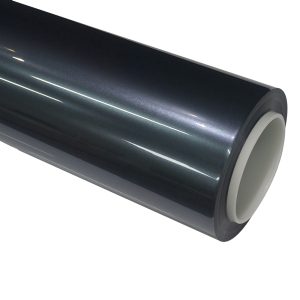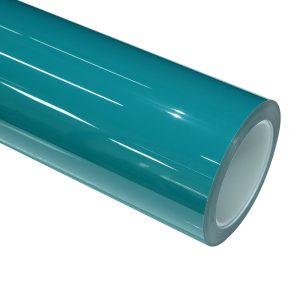
Why Liquid Metallic Wraps Look Flat

The short answer. Liquid metallic wraps look flat when the metallic flake density is low, the base layer is not reflective enough, or the topcoat is hazy. Three specs predict metal that pops, one, metallic flake density (15 to 25% of film volume), two, mirror reflective base layer (not painted silver), three, optical clarity of the gloss topcoat above 95%. Our PET Liner Liquid Metallic range is built for the dramatic flowing metal look, 14 colours from Liquid Silver to Dragon Red.

The customer asked for liquid metallic silver. You wrapped it. In the showroom under fluorescent light, it looks gray. In sunlight outside, it looks like flat aluminium paint. There is no flow, no depth, no liquid effect. The customer is polite but disappointed.

This is the most common failure in the metallic wrap category, and it has almost nothing to do with how the film was installed. It is a chemistry problem. Cheap metallic films lack the three properties that make light dance across the panel the way real liquid metal does.

The good news, the three specs are easy to test before you commit a roll. The rest of this article walks through them and points to the products in our PET Liner Liquid Metallic range that pass each one.

Why Cheap Metallic Looks Flat

Liquid metallic vinyl is not metallic in the way a metallic paint is metallic. Real metallic paint contains aluminium flake suspended in clear coat. The flake catches and reflects light at different angles, which creates depth.

Vinyl wrap cannot use real aluminium flake (it would shred during the stretch). Instead, premium metallic vinyl uses a stacked optical system. From bottom to top, an adhesive layer, a mirror reflective PET base layer (microscopically flat, acts like a mirror), a coloured tint layer with suspended optical particles, and a clear gloss topcoat.

The mirror reflective PET base is what gives the depth. Light passes through the tint layer, hits the mirror, and bounces back through the tint layer again. The double pass through the tint is what creates the flowing liquid effect.

Cheap metallic vinyl skips the mirror PET base. Instead it uses a silver painted PVC backing. Silver paint scatters light. The double pass effect is destroyed. The film looks flat.

Why Liquid Metallic Wraps Look Flat chemistry graphic

The 3 Specs That Make Metallic Pop

Spec 1, Metallic Flake / Pigment Density

The tint layer in liquid metallic vinyl contains optical interference pigments that mimic aluminium flake behaviour without using real metal. The density of these particles determines how strong the metallic sparkle is.

  • Cheap film, 5 to 10% pigment density. Looks tinted but not metallic. Solid colour look.
  • Mid tier, 12 to 18% density. Metallic sparkle visible at direct angles but flat from the side.
  • Premium, 18 to 25% density. Sparkle visible from every angle, the dramatic flowing effect.

Pigment density is not usually published on spec sheets. The cheap test, hold a sample under a 5000K LED at 30 cm and look at it. If you see distinct sparkle points, the density is high. If you see a flat colour wash, it is low.

Spec 2, Mirror Reflective PET Base Layer

This is the spec that separates true liquid metallic from “metallic look” vinyl.

  • Cheap base, silver painted PVC. The “metallic” comes from the paint underneath. No optical depth. Looks flat.
  • Mid tier, aluminum coated PET. Aluminum vapour deposited onto PET. Acts like a mirror but the coating is thin and can show through.
  • Premium, true mirror PET base layer. Microscopically smooth PET treated as the optical bottom of the stack. Reflects nearly all the light that reaches it back through the tint layer. The liquid effect.

WRAPMASTER PET Liner Liquid Metallic uses the premium mirror PET base across the line. That is the difference between our liquid silver and the silver vinyl rolls some competitors sell for $40.

Spec 3, Optical Clarity of the Topcoat

The clear gloss topcoat sits above the tint layer. Its job is to protect the film and let light through cleanly. If the topcoat has any haze, the metallic effect is muted.

  • Cheap topcoat, optical clarity 75 to 85%. Visible haze when you look across a panel at a low angle. The metallic underneath looks foggy.
  • Premium topcoat, optical clarity above 95%. Glass clear from every angle. Lets the full optical stack show through.

Optical clarity is measured by a haze meter. Suppliers who use real haze instruments can quote a number. Suppliers who guess do not.

Which Liquid Metallic Product In Our Range For Which Look

Our PET Liner Liquid Metallic category carries 14 colours, all built on the same mirror PET base with high density tint and 95%+ optical clarity topcoat. Pick by colour.

Product SKU Colour Best for
Liquid Silver Automotive Body Wrap D6001 Liquid silver The signature liquid metallic, most universal SKU
Liquid Star Silver Vinyl D5900 Star silver, brighter Statement silver with more sparkle
Matte Liquid Silver D4002 Matte silver Liquid effect with matte topcoat, subtle premium
Grey Silver Vinyl Car Wrap D6000 Cool grey silver Subtle metallic for daily driver
Agate Grey Auto Wrap D6002 Agate grey Darker metallic, modern look
Professional Gun Grey D6000C Gun grey Military / utility metallic
Soma To Blue D6000A Cool blue silver Cool tone metallic, sport
Ocean Blue D6002B Deep blue metallic Marine blue, premium SUV
Alpine Green Car Wrapping D5911 Alpine green Deep green metallic, statement
Coffee Brown Full Body D5800 Coffee brown Warm brown metallic, classic
Professional Dragon Red D6001A Dragon red Vibrant metallic red
Ruby Red Automotive D6001B Ruby red Deep red, luxury sedan
Violet Purple Car Wrap D5912 Violet purple Premium purple metallic
Victoria Liquid Purple D0802 Victoria purple gloss Glossy purple liquid effect

The four highest demand colours in the line are Liquid Silver D6001, Dragon Red D6001A, Ocean Blue D6002B, and Alpine Green D5911. These four cover the majority of installer orders.

How to Demo Liquid Metallic Properly

Cheap or premium, all metallic vinyl looks worse in showroom fluorescent light. Three demo rules.

One, use direct LED spotlight or daylight bulb. 5000K LED simulates outdoor light. Fluorescent kills the optical stack.

Two, tilt the swatch through 45 degrees while the customer holds still. The liquid effect only shows when the viewing angle changes. Flat swatch demo kills the magic.

Three, hold the swatch against a black surface, not white. Black absorbs stray light and lets the metallic stand alone. White diffuses the light and washes the effect out.

How Each Customer Pain Maps to a Specific Product

Installer Ivan, customer is comparing silver options. Show three silver swatches at different tones. → Liquid Silver D6001, Liquid Star Silver D5900, Matte Liquid Silver D4002.

Distributor David, stocking a liquid metallic line. Carry the 4 high demand colours plus 4 to 6 statement variants. → Lead with Liquid Silver D6001, Dragon Red D6001A, Ocean Blue D6002B, Alpine Green D5911, add 6 colour variants based on regional taste.

Enthusiast Emma, premium SUV liquid look. Subtle but premium metallic. → Agate Grey D6002 or Ocean Blue D6002B.

Custom shop, full body statement build. Maximum metallic impact. → Victoria Liquid Purple D0802 or Liquid Star Silver D5900.

Frequently Asked Questions

Why does liquid metallic vinyl look flat under fluorescent light?

Fluorescent light is diffuse and multi directional, which floods the metallic optical stack from every angle and cancels the depth effect. Use 5000K LED spotlight or direct sunlight to see the real look.

Is liquid metallic vinyl harder to install than gloss vinyl?

Slightly. The metallic effect is direction sensitive, which means installers need to lay all panels with the same flake direction or the panels can look like different shades. Most installers run the film “with the panel” to keep direction consistent.

How long does liquid metallic vinyl last?

3 to 5 years outdoor with PET base construction. The metallic optical stack is well protected by the topcoat and lasts the full lifespan without losing the effect.

Can liquid metallic vinyl be polished or buffed?

No. The clear gloss topcoat is optically tuned. Buffing or polishing scratches the topcoat and reduces optical clarity below the 95% threshold, which dulls the metallic effect permanently.

What is the difference between liquid metallic and ultra gloss metallic?

Liquid metallic has a flowing visible flake effect, the depth is the selling point. Ultra gloss metallic is smoother with less directional flake, looks more like a high gloss paint with a metallic tint. The WRAPMASTER PET Liner Liquid Metallic range is the flowing flake category.

Does liquid metallic vinyl come in matte?

Matte Liquid Silver D4002 is the only matte option in the current range. Most matte buyers move to the Ultra Matte range instead.

Ready to See Real Liquid Metal?

Browse the full PET Liner Liquid Metallic range, 14 colours, mirror PET base across the line.

Free swatch sample. WhatsApp +86-13626505244 or email dasonchan@tsautop.com.

Why Liquid Metallic Wraps Look Flat workflow graphic
Save-worthy checklist for why-liquid-metallic-wraps-look-flat

Color Change PPF vs Vinyl Wrap: Which Wins Daily

The short answer. Vinyl wrap changes colour but offers only moderate protection. Clear PPF protects paint but does not change colour. Colour change TPU PPF does both, the same TPU substrate that protects against stone chips, with a coloured layer beneath the clear protective top. For daily drivers who want both colour and protection, colour change PPF wins on every spec except installed cost. Our Colorful TPU PPF range carries 159 colours across the same Lubrizol and BASF TPU substrate tiers as our clear PPF.

Your customer wants their daily driver in Nardo Grey. They are also worried about stone chips, the highway drive to work pelts the front end every morning. They have read about vinyl wrap. They have read about PPF. Now they are sitting in your office asking which one to buy.

Most installers say “wrap is cheaper, but PPF protects.” Then the customer asks the question that has no clean answer with that framing, “is there one that does both?”

There is. It is called colour change TPU PPF, and it sits in a separate product category from regular vinyl wrap. The chemistry is the chemistry of clear PPF, the colour is the colour of vinyl, the installed product gives you both. The rest of this article walks through how it stacks up on the three specs that matter most for a daily driver, and points to the right product in our Colorful TPU PPF range.

Three Products, Three Different Jobs

Before the comparison, get the categories straight.

Vinyl wrap (PET liner PVC, our WM25 series). PVC base with a coloured layer. Built for colour change. Stone chips dent it. Lifespan, 3 to 5 years outdoor. Cost, $80 to $200 per roll.

Clear PPF (TPU, our Clear PPF range). Aliphatic TPU substrate, clear. Built for stone chip and rock protection. Self healing surface. Does not change colour. Lifespan, 5 to 10 years. Cost, $130 to $410 per roll.

Colour change TPU PPF (our Colorful TPU PPF range). Same aliphatic TPU substrate as clear PPF, with a coloured layer underneath the protective topcoat. Does both jobs at once. Lifespan, 5 to 8 years. Cost, $200 to $350 per roll.

The chemistry of colour change PPF is what matters. The substrate is TPU, not PVC. The protective layer is the same self healing topcoat that goes on clear PPF. The colour is sandwiched in, not painted on top. That is why it lasts twice as long as vinyl wrap and protects nearly as well as clear PPF.

Color Change PPF vs Vinyl Wrap: Which Wins Daily chemistry graphic

The 3 Specs That Matter for a Daily Driver

Spec 1, Stone Chip and Impact Resistance

This is the spec that justifies the price gap.

  • Vinyl wrap. PVC base around 80 to 100 micron. A stone at highway speed dents and often punctures the film. No self repair. The dent becomes permanent visual damage, often through to the paint.
  • Clear PPF. TPU base at 150 to 210 micron with self healing topcoat. The same stone bounces off or leaves a minor scratch that heals with sun or hot water within minutes.
  • Colour change TPU PPF. Same TPU base, same thickness, same self healing topcoat as clear PPF. Stone chip protection is essentially equivalent to clear PPF. The coloured layer underneath stays intact because it sits below the protective TPU.

For any vehicle that sees highway driving, the difference shows up by month 6. A vinyl wrapped front end at month 6 looks chipped. A colour change PPF front end at month 6 looks new.

Spec 2, Self Healing Recovery

Self healing is the surface property that makes light scratches disappear under sunlight or hot water.

  • Vinyl wrap. No self healing. Scratches are permanent.
  • Clear PPF. Self healing top coat. Recovery time, 5 to 30 seconds with a hot water rinse, or 1 to 2 hours sitting in direct sun at 30°C+.
  • Colour change TPU PPF. Same self healing topcoat as clear PPF. Scratches in the surface heal the same way. The coloured layer below the topcoat is protected from scratching entirely because the scratches never reach it.

This matters most for daily drivers that park in tight lots, get washed weekly, or sit in driveways with kids and pets nearby. Daily wear scratches that would mark vinyl permanently simply disappear on TPU.

Spec 3, Lifespan and UV Stability

  • Vinyl wrap. 3 to 5 years outdoor before colour fades visibly. The colour layer is the topmost layer, fully exposed.
  • Clear PPF. 5 to 10 years before yellowing becomes visible (depends on substrate tier, see our yellowing article). No colour to fade.
  • Colour change TPU PPF. 5 to 8 years before any noticeable fade. The coloured layer is below the protective TPU topcoat, which blocks 99% of UV before it reaches the pigment. Far slower fade than vinyl wrap’s exposed colour layer.

For a daily driver that sees daily sun, colour change PPF holds the colour roughly twice as long as the equivalent vinyl wrap colour.

Which Color Change PPF In Our Range For Which Look

Our Colorful TPU PPF category carries 159 colours across 11 pages. Below are the highest demand colours from page 1.

Product SKU Colour family Best for
Glossy Crystal Nardo Grey TPU 2114 Audi Nardo Grey Daily driver, OEM colour replication
Glossy Crystal Glacier Blue TPU 2132 Bentley Glacier Blue Luxury sedan daily, sophisticated
Glossy Crystal Khaki TPU 2121 Milan Khaki Premium SUV daily
Glossy Crystal Volcanic Grey TPU 2113 Dark grey Stealth daily driver, low maintenance look
Glossy Crystal Red TPU 2102 Ferrari Red Sports car, race day daily
Glossy Crystal Khaki Grey TPU 2136 Warm grey tan SUV and utility daily
Diamond Crystal Black TPU 2000 Sparkle black Premium SUV with subtle sparkle
Diamond Crystal White TPU TPU-9006 Sparkle white Light tone with sparkle depth
Cream Red White Pearlescent TPU 1004 Pearl red white Boutique pearl finish
Aventurine Green TPU 116 Deep green Premium statement daily
Cat’s Eye Opal Green TPU TPU-133 Opal green Statement build
Bernina Grey TPU 108 Light grey Volume daily driver colour

This is page 1 of 11. The full Colorful TPU PPF range covers 159 colours including custom colour matching for OEM orders of 5+ rolls.

When Vinyl Wrap Is Still the Right Answer

To be honest, vinyl wrap beats colour change PPF in three scenarios. We sell both, here is when each one is the right pick.

Scenario 1, short term colour change. Wedding car, leased vehicle returning in 12 months, temporary fleet livery. Vinyl wrap is cheaper, easier to remove, and the lifespan does not matter.

Scenario 2, complex texture finishes. Forged carbon fiber, matte, brushed metal, chameleon shift. Colour change PPF is available in gloss and pearl finishes only. Texture finishes only come in vinyl wrap.

Scenario 3, tight budget for the full car. A full vinyl wrap in colour costs 30 to 50% less than a full colour change PPF on the same car. If the budget is the constraint and the customer accepts a 3 to 5 year lifespan, vinyl wrap is the honest answer.

For everyone else (daily driver, owner keeping the car 5+ years, anyone in a high stone chip environment), colour change PPF is the better long term value.

How Each Customer Pain Maps to a Specific Product

Daily driver, wants colour and protection. TPU based colour change PPF. → Browse the Colorful TPU PPF range. Start with a popular OEM-style colour like Nardo Grey 2114.

Sports car owner, highway commuter. Stone chip protection with bold colour. → Glossy Crystal Red 2102 or Aventurine Green 116.

Distributor David, stocking a colour PPF line. 10 to 15 highest demand colours from the range. → Lead with greys (Nardo 2114, Volcanic 2113, Khaki Grey 2136), add 4 to 6 statement colours, plus 2 sparkle finishes (Diamond Black 2000, Diamond White TPU-9006).

Custom shop, full builds in OEM matched colours. Custom colour matching, 5 roll MOQ for regular custom colours. → Send a paint sample to dasonchan@tsautop.com, custom match within 14 days.

Frequently Asked Questions

Is colour change PPF really the same chemistry as clear PPF?

Yes. The substrate is the same aliphatic TPU (Lubrizol, BASF, or Covestro depending on tier). The self healing topcoat is the same. The only difference is a coloured layer added underneath the topcoat during lamination.

Will colour change PPF protect against stone chips like clear PPF?

Yes, essentially equivalent. The TPU substrate is the layer that absorbs stone chip impact, and it is the same in clear PPF and colour change PPF. The colour layer sits below this protective substrate and stays intact.

Can colour change PPF be removed without damaging the paint?

Yes, like clear PPF. Residue free removal is one of the defining features of TPU PPF chemistry. Removal within the warranty period is straightforward with a heat gun and steady hand.

Why is colour change PPF more expensive than vinyl wrap?

TPU substrate costs 3 to 5 times what PVC substrate costs. The manufacturing process is more complex because the coloured layer has to be laminated within the film, not painted on top. The lifespan and protection benefits are roughly 2x what vinyl wrap delivers, which most buyers find justifies the spend.

Does colour change PPF come in matte or only gloss?

Colour change TPU PPF is primarily available in gloss and pearl finishes. Matte and texture finishes (forged carbon, chameleon, brushed) come in vinyl wrap only because the matte topcoat changes the optics of the coloured layer below.

What is the MOQ for custom colour change PPF?

Standard colours, 1 roll. Regular custom colour matching, 5 rolls per colour. Special custom colours, 20 rolls. Standard delivery, 7 to 9 days express courier on in stock SKUs.

Ready to See the Range?

Browse the full Colorful TPU PPF range, 159 colours across 11 pages. Custom colour matching available with 5 roll MOQ.

Free swatch sample of any colour. WhatsApp +86-13626505244 or email dasonchan@tsautop.com.

Color Change PPF vs Vinyl Wrap: Which Wins Daily workflow graphic
Save-worthy checklist for color-change-ppf-vs-vinyl-wrap

Why Window Tint Bubbles in 18 Months

The short answer. Window tint bubbles when the adhesive cannot survive UV plus heat over time. Three specs predict tint that lasts, one, adhesive type (CDF stays clear, DDF turns purple, water activated fails earliest), two, blocker technology (ceramic over metallic over dyed), three, IR (infrared) rejection percentage (above 50% means real heat performance). Our Premium Ceramic Window Tint range is built around these three. 13 products covering 5% to 70% VLT.

Why Window Tint Bubbles in 18 Months hero image

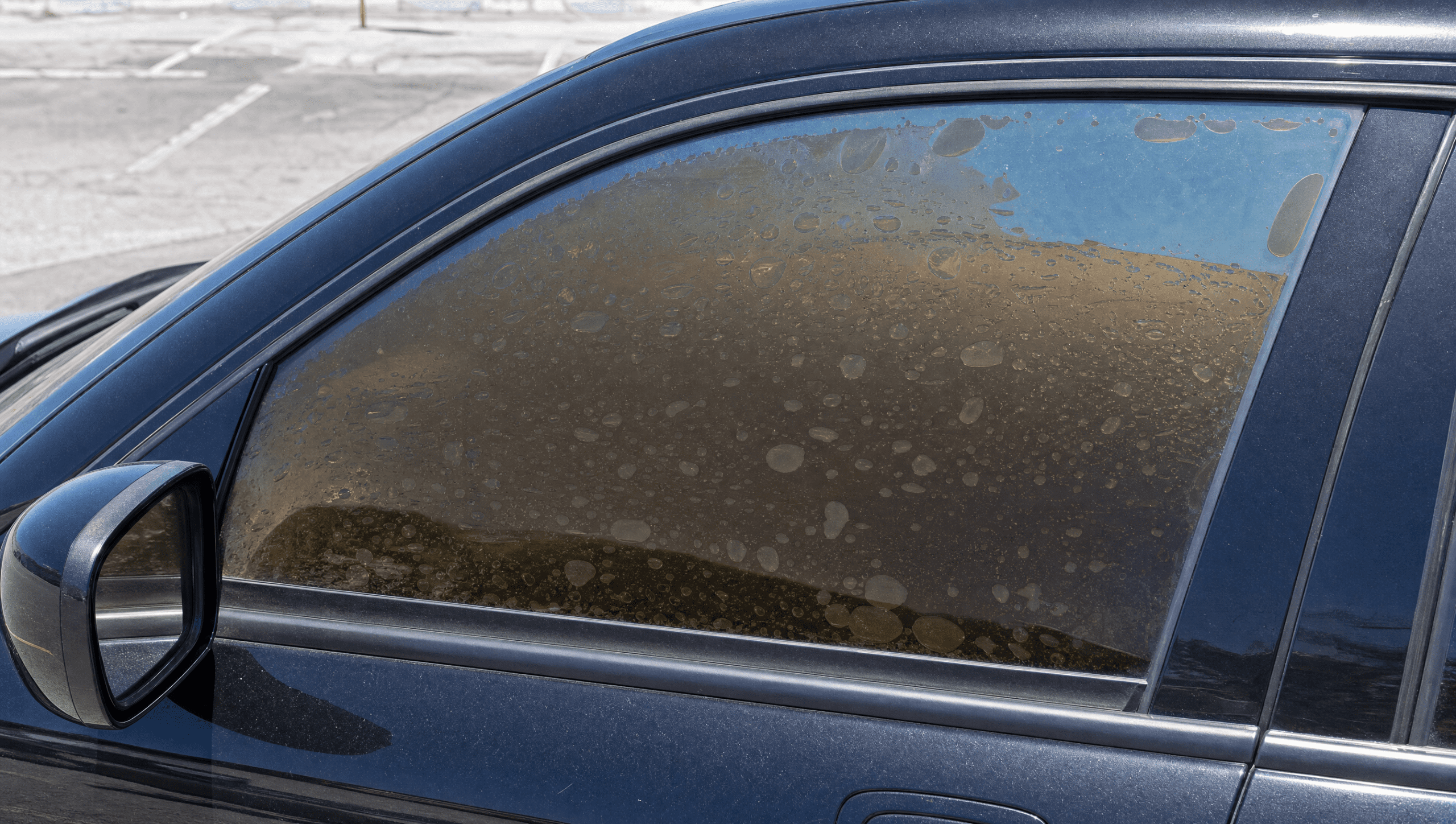
Your customer pulls up. The driver side window has bubbles the size of coins running down the centre. The rear window has turned purple in the corners. The tint that looked perfect when they drove off your lot 14 months ago now looks like a $30 eBay job.

This is the most refundable failure in the window tint business. The customer paid for ceramic tint. They got a ceramic adhesive paired with cheap base film, or they got dyed film masquerading as nano, or they got a metallic film with cheap adhesive that gave up at month 12.

Bubbling, purpling, and peeling are not random. They are adhesive chemistry failures, and the spec sheet tells you which films will fail in 18 months before you ever order. The rest of this article walks through the three specs, and points to the products in our Premium Ceramic Window Tint range at each tier.

Why Window Tint Fails (3 Things That Kill It)

Window tint sits between two enemies. UV light from above, heat from below (window glass at 60°C+ in summer). Most failure modes trace back to one of three chemistry decisions the manufacturer made.

Decision 1, what type of adhesive. There are four common types in the industry.

  • Pressure sensitive adhesive (PSA), dry. Applied as a dry layer on the film, activated by squeegee pressure during install. Used in premium ceramic films.
  • Clear distortion free (CDF) adhesive. A PSA variant engineered to stay optically clear and not yellow with UV. Premium tier.
  • Dyed distortion free (DDF) adhesive. Older PSA technology that uses dye to mask hue shift. The dye is what turns purple after UV exposure.
  • Water activated adhesive. Older technology, the installer wets the film and the glass. Cheapest install but the adhesive is the weakest of the four, fails earliest.

Bubbling almost always means the adhesive lost grip. Purpling almost always means DDF dye degraded under UV. Both can be avoided by buying CDF or proper dry PSA from the start.

Decision 2, what blocks the heat.

  • Dyed film. Dye absorbs visible light. Cheap, blocks light but does almost nothing for infrared heat. Fades.
  • Metallic film. Metal layer reflects heat well but blocks GPS, cell signal, and toll tags. Often required removal on luxury cars.
  • Nano ceramic film. Ceramic particles in the film block infrared heat without metal. No signal interference. The premium category.

Decision 3, the IR (infrared) rejection percentage. This is the most misunderstood spec on window tint.

  • VLT (visible light transmission). How dark the film looks. Lower VLT means darker.
  • IR rejection. How much infrared heat the film blocks. This is what makes a car cooler.

A dyed film at 5% VLT looks dark but rejects almost no IR. A ceramic film at 70% VLT looks nearly clear but rejects 60%+ IR. The two specs are independent. Cheap shops sell VLT and call it “heat rejection.” It is not.

Why Window Tint Bubbles in 18 Months chemistry graphic

The 3 Specs That Predict a Tint That Lasts

Spec 1, Adhesive Type (CDF or Dry PSA)

Ask the supplier what adhesive the film uses. The honest answers are CDF, dry PSA, or sometimes specific brand names (3M Scotchgard adhesive, for example).

If the answer is “DDF” or “dye-based adhesive,” the film will turn purple within 18 to 36 months in any climate with significant sun.

If the answer is “water adhesive” or “water activated,” the film is using the cheapest install technology. It will bubble within 12 to 24 months.

WRAPMASTER ceramic films use dry PSA with CDF formulation. Stays optically clear for the film’s full lifespan.

Spec 2, Blocker Technology (Nano Ceramic Wins)

The four blocker technologies, ranked.

  • Dyed. Lowest. Blocks visible light only. Fades.
  • Metallic. Reflects heat well, blocks signal. Reliable but interferes with car electronics.
  • Carbon. Carbon particles block IR moderately, no signal interference, won’t fade. Mid tier.
  • Nano ceramic. Ceramic particles block IR effectively, no signal interference, no fade, no purpling. Top tier.

WRAPMASTER carries pure nano ceramic (AI series), carbon ceramic blends (CCM series), and metal ceramic (MF series). All three tiers are available in the Premium Ceramic Window Tint range.

Spec 3, Total Solar Energy Rejection (TSER) and IR Rejection

The two real heat performance numbers.

  • TSER (Total Solar Energy Rejection). How much of the total sun energy the film blocks. Combines UV, IR, and visible light heat.
  • IR Rejection. Specifically how much infrared heat is rejected.

Industry benchmarks.

  • Dyed film, TSER under 30%, IR under 20%.
  • Carbon film, TSER 35 to 45%, IR 30 to 50%.
  • Nano ceramic film, TSER 50 to 70%, IR 60 to 95%.

A spec sheet without TSER and IR rejection numbers is hiding low performance.

Which Tint Product In Our Range For Which Vehicle

Our Premium Ceramic Window Tint category carries 13 products across three blocker technologies and a full VLT range (5% privacy to 70% nearly clear).

Nano Ceramic Series (AI), highest blocker performance, no signal interference

Product SKU VLT Best for
Nano 70 Ceramic Window Tint AI7090 70% Windshield heat rejection, nearly clear
Nano 30 Ceramic Car Tint AI3090 30% Front side windows, legal in most regions
Nano 20 Ceramic Window Tint AI2090 20% Standard daily driver darkness
Nano 10 Ceramic Window Film AI1090 10% Rear windows, privacy tier

Metal Ceramic Series (MF), reflective heat blocker

Product SKU Best for
Metal Ceramic IR Tint MF5095 Maximum IR heat rejection for hot climates
Metal 5 Ceramic Tint MF0895 Privacy tier with metallic heat reflection
Metal Ceramic Film Tint MF1895 Mid VLT with metal blocker
Ceramic 35 Window Tint MF3595 35% VLT, legal driving tier
Nano Metal Clear Ceramic MF7095 Nearly clear with metal IR blocker

Carbon Ceramic Series (CCM), no signal interference, balanced performance

Product SKU Best for
Carbon Ceramic Car Window Film CCM1090 Daily driver carbon ceramic
Carbon Ceramic Window Film CCM2090 Mid tier privacy and heat rejection
Carbon Ceramic Privacy Window Film CCM2070 Maximum privacy carbon ceramic
Carbon Ceramic Windshield Tint CCM3090 Windshield specific tint, clear with IR

The choice between the three series depends on the application.

  • No signal interference required (luxury cars with toll tags, GPS, cellular). Nano ceramic AI series or carbon ceramic CCM series.
  • Maximum IR heat rejection (Middle East, Southeast Asia, Arizona). Metal ceramic MF series. Slight signal interference acceptable.
  • Balanced performance and price. Carbon ceramic CCM series.

How a Bad Tint Install Goes Wrong (And How To Avoid It)

Even premium ceramic film fails if installed badly. Three rules.

One, clean the glass to dust free. A single dust particle under the film becomes a permanent silver speck. Use IPA, lint free cloth, and finish with a tack rag.

Two, control the room temperature. Adhesives cure best between 18 and 25°C. Cold rooms slow the cure (bubbles trap permanently). Hot rooms speed it too fast (lifting at edges).

Three, do not trim the film against the dot matrix at the top of the glass. The dot matrix prevents the adhesive from bonding fully. Stop the film 3mm short of the dots. This is the single most common install fail.

How Each Customer Pain Maps to a Specific Product

Installer Ivan, dealing with tint bubble callbacks. Switch to dry PSA / CDF adhesive ceramic film. → Any product in the Premium Ceramic Window Tint range, all use dry PSA. Start with Nano 20 AI2090 as the volume default.

Distributor David, stocking a window tint line. Carry the four key VLTs of the AI nano series plus the MF series for hot climate customers. → Nano 70, Nano 30, Nano 20, Nano 10, plus Metal Ceramic IR MF5095.

Enthusiast Emma, wants maximum heat rejection on her Tesla. Nano ceramic, high IR rejection, no signal interference. → Nano 70 AI7090 on the windshield and Nano 20 AI2090 on the side windows.

Fleet Frank, fleet of delivery vans in hot climate. Maximum IR rejection at lowest cost. → Metal Ceramic IR MF5095 across the fleet.

Frequently Asked Questions

Why does cheap window tint turn purple?

Cheap tint uses DDF (dyed distortion free) adhesive, which contains dyes that degrade under UV light. The dye degradation shows as purple discolouration starting at the edges after 12 to 36 months. Films with CDF or dry PSA adhesive do not turn purple.

What is the difference between ceramic and nano ceramic window tint?

“Ceramic” is the generic category of films using ceramic particles as the IR blocker. “Nano ceramic” specifically refers to films using nanoscale ceramic particles, which block IR more efficiently without affecting visible light clarity. Nano ceramic is the premium subset of ceramic tint.

What VLT is legal for car windows?

Varies by region. In most US states, front side windows must allow 35% or more VLT. Rear windows can be any darkness. In the EU and Australia, front sides typically require 70%+. Always check local regulation before installing.

Why does the windshield need its own special tint?

Windshield tint is usually a near clear film (70%+ VLT) that rejects heat without darkening the windshield. Legal in most jurisdictions because it does not affect visibility. Provides the same heat rejection benefit as darker tints on the side windows.

Does ceramic window tint block 5G or cellular signals?

Nano ceramic and carbon ceramic films do not block 5G or cellular signals, GPS, or toll tag transponders. Only metallic films block signals. Choose AI series (nano ceramic) or CCM series (carbon ceramic) for vehicles with electronic features.

Does WRAPMASTER offer architectural window film?

Yes, separate from automotive. See the Architectural Window Film range for residential and commercial building applications.

Ready to Stop the Bubbling Callbacks?

Browse the full Premium Ceramic Window Tint range, 13 products across nano ceramic, metal ceramic, and carbon ceramic. All dry PSA / CDF adhesive.

Free sample swatch of any tint. WhatsApp +86-13626505244 or email dasonchan@tsautop.com. Spec sheet with TSER, IR rejection, and adhesive type on request.

Why Window Tint Bubbles in 18 Months workflow graphic
hero image
chemistry image for why-window-tint-bubbles
Save-worthy checklist for why-window-tint-bubbles

Why Color Shift Wraps Don’t Shift

The short answer. Color shift vinyl wraps disappoint because not all “chameleon” films shift the same amount. Three specs predict shift quality, one, number of interference layers in the film stack (more layers, wider shift), two, ΔE colour shift range from primary to secondary colour, three, base colour saturation (matte and pearl shifts dramatically less than gloss). Our PET Liner Color Shift range has 14 finishes mapped against these three numbers below.

You bought a chameleon wrap. The Instagram video showed a Lamborghini going from deep purple to bright gold as it drove past the camera. You wrapped your hood. In the supermarket parking lot it looks purple. In your garage it looks purple. From every angle, purple.

This is the most common letdown in the colour shift category, and it has nothing to do with the brand. It has everything to do with three specs that almost no one explains.

Colour shift wraps do not all shift the same amount. The Instagram videos show dramatic shifts because the film used has many optical interference layers and a wide ΔE range. The cheap “chameleon” rolls on most marketplaces have far fewer layers and barely shift at all under most lighting.

The rest of this article explains how the optics actually work, the three numbers that predict shift quality, and the products in our PET Liner Color Shift range at each level.

How Color Shift Wraps Actually Work

Color shift is an optical interference effect, not a pigment effect. The film has multiple ultra thin transparent layers stacked on top of each other. Each layer reflects a tiny bit of light. The light reflected by layer 1 interferes with the light reflected by layer 2, which interferes with layer 3, and so on.

When you look at the panel straight on, the interference pattern shows one dominant colour. When you tilt the panel, the path light travels through the layers changes, and a different interference pattern shows a different dominant colour. That is the shift.

The number of interference layers, and the thickness of each, determines two things, the range of the shift (how different the two end colours are) and the smoothness of the shift (whether you see one colour, then another, with a gradient between, or just a flat colour with a faint glint).

Why Color Shift Wraps Don't Shift chemistry graphic

Premium chameleon films have 5 to 9 interference layers. Cheap “chameleon” rolls have 2 to 3 layers (sometimes really just a single pearl pigment layer on top of base colour, which is not a true colour shift, just a slight pearl glint).

The 3 Specs That Predict a Good Shift

Spec 1, Number of Interference Layers

Most manufacturers do not publish this number. You have to ask. The rough mapping for a wide shift looks like this.

  • 2 to 3 layers. Faint pearl glint, almost no true colour shift. Marketed as “chameleon” but really pearl finish.
  • 4 to 5 layers. Visible shift between two close colours (purple to deep blue). The mid tier most “chameleon” rolls land in.
  • 6 to 9 layers. Wide shift between distinct colours (purple to gold, green to red, blue to magenta). The Instagram video tier.

Ask the supplier directly, “how many optical interference layers in this film.” A roll without an answer is a 2 to 3 layer pearl, sold as chameleon.

Spec 2, ΔE Colour Shift Range

ΔE is the standard measurement for colour distance. Two colours with a ΔE of 1 are almost identical. ΔE of 10 is clearly different. ΔE above 30 is a dramatic difference.

For colour shift wraps, the spec to look for is the ΔE between the primary colour (looking at the panel straight on) and the secondary colour (looking at 60 degrees to the side).

  • ΔE under 15. Subtle shift, only obvious under direct sunlight.
  • ΔE 15 to 30. Clear shift in most lighting conditions.
  • ΔE above 30. Dramatic shift, the Instagram video look.

WRAPMASTER PET Liner Color Shift films publish ΔE values on the spec sheet on request.

Spec 3, Base Colour Saturation and Finish

This is the spec most buyers do not realise matters. The same interference stack on a matte base shifts less visibly than the same stack on a gloss base. Why, the matte topcoat scatters light, which smears the interference effect.

  • High gloss base. Sharpest, most dramatic shift. Best for statement builds.
  • Pearl base. Mid level shift with a subtle sparkle on top.
  • Matte base. Subtle shift only visible at certain angles, often combined with the pearl effect.

The right base for the buyer depends on what they want. Daily drivers usually look better in matte or pearl (the shift is subtle but the car still looks intentional). Show cars usually want the high gloss for maximum impact.

Which Color Shift Product In Our Range For Which Look

Our PET Liner Color Shift category carries 14 finishes covering the full range of shift dramatic levels.

Product SKU Shift type Best for
PET Demon Green Sparkling Chameleon 8813 Wide shift, sparkle finish, green to purple Statement full body wraps
PET Fancy Galactic Sparkling Chameleon 8811 Multi colour galactic sparkle Show car premium builds
PET Color Shift Pearl Gold Blue 7999 Pearl shift gold to blue Wide dramatic shift, classic chameleon look
PET Diamonds Black Red Color Shift 1021 Black to red diamond sparkle Aggressive sport look, race builds
PET Color Shift Gloss Aurora White 2011 Pearl white iridescent shift Bright statement, luxury builds
PET Color Shift Matte Aurora White 2010 Matte white subtle shift Daily driver chameleon, low maintenance
PET Diamond Gold White 1025 Gold to white diamond sparkle Premium SUV builds
PET Diamond Pink White 1023 Pink to white diamond Soft chameleon, boutique aesthetic
PET Diamond Blue White 1024 Blue to white diamond Cool tone full body
PET Diamond Silver Vehicle Wrap PSS1005 Silver crystal diamond Subtle premium look
PET Color Shift Racing Tiff Blue 3003 Tiffany blue racing finish Tiffany blue with shift accents
PET Flowing Phantom Red 0900 Phantom red flow effect Deep red shift with phantom undertone
PET Ghost Midnight Blue 2010 Midnight blue ghost shift Dark moody finish, sophisticated
PET Ghost Midnight Gold 2011 Midnight gold ghost shift Dark warm tone, premium

Pick by the buyer’s reference photo. Customer shows a wide green to purple Instagram clip, point them at Demon Green 8813 or Galactic 8811. Customer shows a soft chameleon on a Bentley, point them at Aurora White 2011 or Diamond Gold White 1025.

How to Demo Color Shift to a Customer Without a Sunny Day

Most customers buy chameleon based on a phone video shot in perfect sunlight. When you demo a sample swatch in a fluorescent lit showroom, the shift looks dead. Three fixes.

One, use direct halogen or LED spotlight (not fluorescent). Fluorescent lighting flattens the interference effect. A 5000K LED spotlight or daylight bulb shows the shift properly.

Two, tilt the swatch through 60 degrees while the customer holds still. The shift only shows when the viewing angle changes. Customers who only look at the swatch flat in their hand see one colour and walk away unconvinced.

Three, show the comparison video on a tablet. A 30 second clip of the actual film on a real panel under sunlight beats any swatch demo.

How Each Customer Pain Maps to a Specific Product

Installer Ivan, customer is comparing chameleon options. Show three swatches at different shift levels, subtle to dramatic. → Aurora White Matte 2010 (subtle), Pearl Gold Blue 7999 (mid), Demon Green 8813 (dramatic).

Distributor David, stocking a chameleon line. Carry the four highest impact rolls plus two daily driver friendly options. → Demon Green 8813, Galactic 8811, Pearl Gold Blue 7999, Black Red Diamond 1021, plus Aurora White Matte and Ghost Midnight Blue.

Enthusiast Emma, wants the Lamborghini Instagram chameleon look. Wide dramatic shift, gloss base. → Pearl Gold Blue 7999 or Demon Green 8813.

Daily driver who likes the idea but wants subtlety. → Aurora White Matte 2010 or Ghost Midnight Blue 2010.

Frequently Asked Questions

Why does my chameleon wrap only shift in direct sunlight?

Most chameleon films need direct directional light to show the interference effect properly. In overcast or fluorescent lighting, the light hits the film from too many angles at once and the shift averages out. Films with 6+ interference layers shift even in indirect light. Films with 2 to 3 layers shift only in direct sun.

What does ΔE mean for colour shift wraps?

ΔE is the distance between two colours on the standard colour space. For shift wraps it measures the difference between the primary colour (straight on view) and the secondary colour (60 degree angle). ΔE above 30 means a clearly dramatic shift, ΔE under 15 is subtle.

Is matte chameleon worse than gloss chameleon?

The shift is less dramatic on a matte base because the matte topcoat scatters light, which smears the interference effect. Some buyers prefer this for daily drivers (the chameleon is subtle and elegant). Buyers chasing the Instagram look should pick gloss.

How long do colour shift wraps last?

3 to 5 years outdoor with PET base construction. The interference layers are well protected by the topcoat and substrate. The shift quality stays consistent through the film’s life.

Can colour shift wraps be installed by a beginner?

They install like any premium PET liner vinyl wrap. Easier than chrome (no crack risk) and harder than gloss (the texture and shift make squeegee marks more visible until you get the hang of it).

Does WRAPMASTER publish ΔE values on the spec sheet?

Yes, on request. Email or WhatsApp asking for the spec sheet on any specific colour shift SKU and we send back the ΔE primary to secondary, layer count, and base finish.

Ready to See the Shift?

Browse the full PET Liner Color Shift range, 14 finishes from subtle pearl to wide dramatic chameleon.

Free swatch sample of any colour shift finish. WhatsApp +86-13626505244 or email dasonchan@tsautop.com. Spec sheet with ΔE, interference layer count, and base finish on request.

Why Color Shift Wraps Don't Shift workflow graphic
Save-worthy checklist for why-color-shift-wrap-doesnt-shift